+1-800-555-1234  |  [email protected] Help Center  |  EN

Industries EXFO Serves

From telecom carriers to data centers, our test instruments adapt to the unique demands of every fiber optic environment.

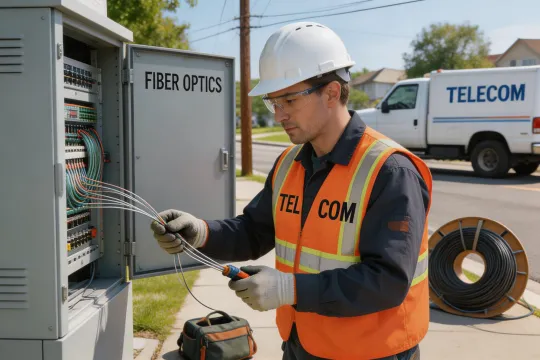
Telecom Carriers

Telecom Carriers & Service Providers

Deploying FTTH, maintaining backbone links, or certifying PON splits requires instruments that handle high fiber counts and long distances with consistent accuracy.

  • GPON/XGS-PON splitter ratio verification
  • Long-haul OTDR with ≥ 40 dB dynamic range
  • Automated mass fiber testing for FTTH rollout
  • Service activation testing and SLA verification

In a typical FTTH rollout project covering 10,000 premises, our automated mass fiber test solution reduced per-fiber certification time from 12 minutes to under 90 seconds — enabling a 6-person crew to certify 400+ drops per day instead of the previous 80.

Discuss Your Needs
Data Centers

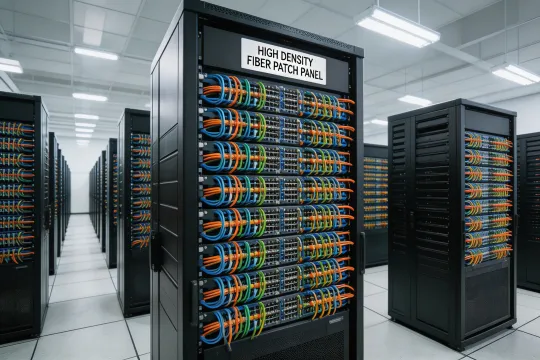
Data Centers & Cloud Infrastructure

Hyperscale and colocation facilities demand rapid connector inspection and Tier certification testing across thousands of fiber connections.

  • MPO/MTP connector endface inspection with automated pass/fail
  • High-density patch panel loss certification
  • Polarity verification for parallel optics
  • 400G/800G link characterization

A typical hyperscale data center migration from 100G to 400G optics requires recertification of existing MPO trunk cables. Our automated inspection probe processes 12-fiber MPO connectors in under 8 seconds per endface, with pass/fail results logged directly to cloud-based project management software.

Explore Solutions
Enterprise Networks

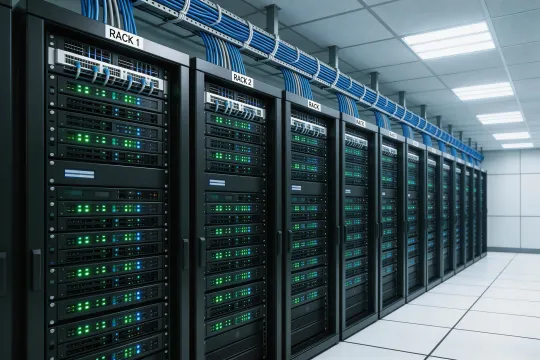
Enterprise & Campus Networks

Campus LAN deployments and building backbone links require fiber certification to TIA/EIA-568 standards with clear documentation for project handover.

  • Multimode and single-mode fiber certification
  • Structured cabling acceptance to TIA standards
  • OTDR documentation with cloud-based report generation
  • Quick-test power meter for daily spot checks
Get Recommendations
Cable Contractors

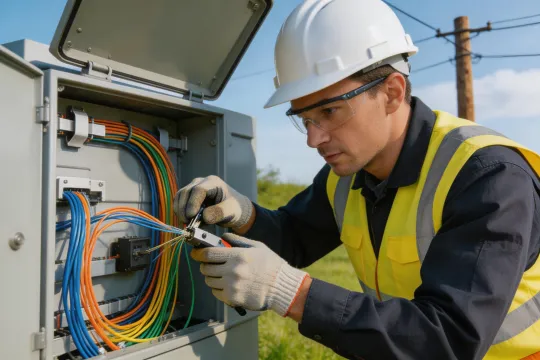
Cable Contractors & Installers

Field installers need rugged, fast instruments that survive harsh environments and deliver reliable results under time pressure.

  • IP54-rated OTDR for outdoor and construction environments
  • Sub-10-second OTDR auto-test for high-volume jobs
  • Integrated visual fault locator and power meter combos
  • Project management software for batch test reporting
Find Your Kit

Testing Selection Considerations

Different network architectures require different testing strategies. Understanding these trade-offs helps you choose the right instrument.

Active Optical Networks (AON) vs. Passive Optical Networks (PON)

The choice between AON and PON architectures directly affects which OTDR and testing methodology you need.

AON Testing Needs

Active optical networks provide dedicated bandwidth per user and reach up to 80 km, but require powered equipment at each split point. Testing focuses on individual link characterization and active component verification. An OTDR with ≥ 40 dB dynamic range is typically required.

PON Testing Needs

Passive optical networks use unpowered splitters, reducing operational costs for high-density residential deployments. However, testing through passive splitters is more complex — each 1:32 split introduces approximately 17 dB of loss, demanding higher dynamic range OTDRs and specialized PON testing modes.

Fiber Optic vs. Copper: Last-Mile Testing Implications

The ongoing transition from copper to fiber in last-mile deployments creates a mixed testing environment that many teams must navigate.

Full Fiber Deployment

Future-proof bandwidth capacity, lower long-term maintenance, and superior latency make full fiber the preferred choice for new builds. Testing requires OTDR, optical power meters, and connector inspection probes — a larger initial instrument investment.

Enhanced Copper / Hybrid

G.fast and VDSL2 technologies leverage existing copper infrastructure with lower upfront cost and faster rollout. However, testing copper with DSL analyzers differs fundamentally from fiber testing — teams managing hybrid networks need both skill sets and both instrument types.

What to Know Before You Buy

No single instrument covers every scenario. Here are important limitations to consider when selecting test equipment.

OTDR Dead Zone Constraints

Every OTDR has an event dead zone (typically 0.8–3 m) and attenuation dead zone (typically 3–20 m) that prevents detection of closely spaced events. Short fiber links under 100 meters — common in data centers — may fall entirely within the dead zone of lower-end OTDRs. For these applications, a dedicated insertion loss tester is often more appropriate than an OTDR.

Operating Temperature Range

Our standard instruments operate reliably between -10°C and +50°C. Extended-range models reach -20°C to +50°C. In extreme environments — Arctic fiber routes below -30°C or desert installations above +55°C — measurement accuracy may degrade outside the rated range. Contact our engineers to discuss options for extreme-temperature applications.

Dynamic Range vs. Test Speed

Higher dynamic range measurements require longer averaging times. A 40 dB dynamic range OTDR trace at 1550 nm may take 30–180 seconds depending on distance, while a quick 20 dB scan completes in under 10 seconds. High-volume field testing workflows require balancing measurement quality against project timelines.

Single-Wavelength vs. Multi-Wavelength Testing

Single-wavelength OTDRs (1310 nm or 1550 nm) cost significantly less but cannot detect wavelength-dependent defects like macro-bending loss, which appears primarily at 1550 nm but not at 1310 nm. CWDM/DWDM networks require multi-wavelength testing capability, which increases instrument cost by 40–60%.

Working in a Different Industry?

We serve utilities, government, military, and research institutions as well. Tell us about your application and we will find the right solution.

Contact Us